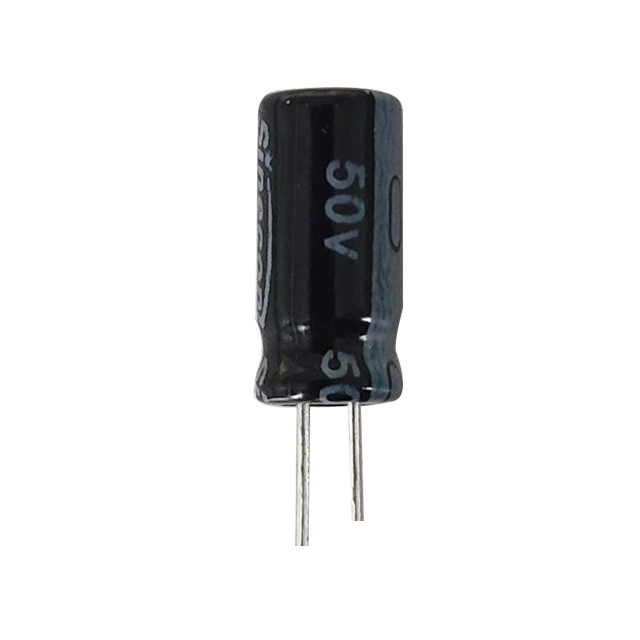
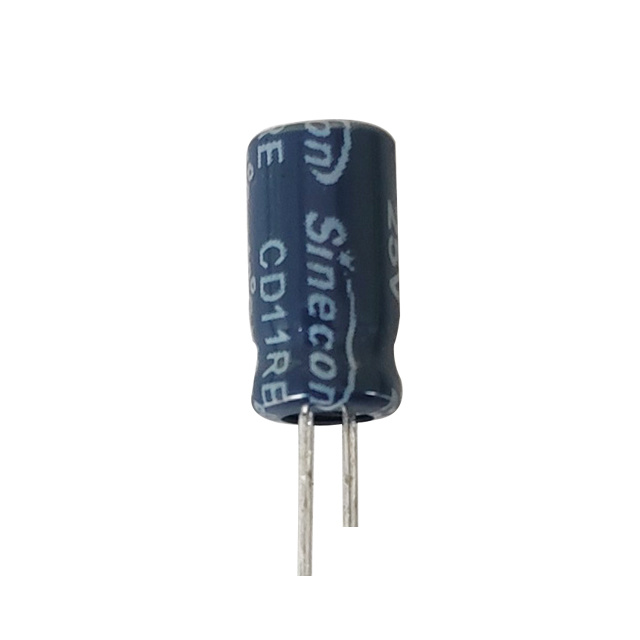
Store in a Cool, Dry Environment
To ensure the longevity of Aluminum Electrolytic Capacitors , they should be stored in environments that maintain temperature stability and low humidity levels . These capacitors are particularly sensitive to moisture and high temperatures , which can accelerate degradation of their internal electrolyte and casing. Ideally, the storage environment should be cool , typically between 20°C and 25°C (68°F to 77°F) , and dry , with relative humidity kept below 60% . Storing capacitors in such conditions helps to prevent electrolyte leakage and corrosion of the aluminum casing. High humidity can lead to condensation, which may degrade the capacitor's performance and lifespan. Extreme temperatures , especially those above 85°C (185°F) , can cause electrolyte evaporation and internal chemical breakdown , severely impacting the capacitor's ability to hold charge. By controlling these environmental factors, the capacitors will retain their integrity for a longer period, ensuring their reliable performance when put into service.
Avoid Exposure to Direct Sunlight
Direct sunlight or prolonged exposure to UV radiation can cause thermal fluctuations and heat buildup within Aluminum Electrolytic Capacitors , which may lead to the deterioration of the capacitor’s internal materials, such as the electrolyte and insulating coatings . UV radiation can also cause physical degradation of the outer casing or seals, making the capacitor more prone to leaks or failure. Storing the capacitors in a shaded, cool area away from direct sunlight is crucial. In addition, capacitors should be kept in sealed packaging or boxes that protect them from environmental factors, including sunlight. By ensuring that capacitors are shielded from direct UV exposure, you maintain their structural and electrical integrity, reducing the risk of premature degradation and ensuring they perform as intended when installed.
Maintain Proper Orientation
The orientation of Aluminum Electrolytic Capacitors during storage plays a significant role in preventing potential internal electrolyte leakage or mechanical stress on the casing. It is recommended to store capacitors in an upright position , with the positive terminal facing upward, to minimize any stress on the internal structures and electrolyte. Storing capacitors horizontally or in overstressed stacking configurations can cause physical damage to the capacitor’s seal or casing, leading to the risk of leakage or other failures. Furthermore, the electrolytic fluid inside can settle or shift, affecting the capacitor’s capacitance and efficiency when eventually used. Proper orientation ensures that the internal components are supported correctly, reducing the risk of deformation and maximizing the longevity of the capacitor.
Protect from Electrostatic Discharge (ESD)
Electrostatic Discharge (ESD) is one of the most significant risks when handling sensitive electronic components, including Aluminum Electrolytic Capacitors . ESD can damage internal components such as the oxide layer on the anode, reducing the capacitor's performance and lifespan. To mitigate this risk, capacitors should always be stored and handled using ESD-safe methods . This includes using anti-static bags or containers during both storage and transport. Additionally, personnel handling the capacitors should use ESD wrist straps or grounding mats to dissipate any static charge before touching the components. Such precautions prevent damage caused by even minimal static discharge, ensuring that the capacitor remains functional and capable of delivering reliable performance in its intended application.
Avoid Storing Near Corrosive Materials
Aluminum Electrolytic Capacitors are highly susceptible to corrosion if exposed to harsh chemicals or corrosive substances. This includes acids , alkalis , salts , solvents , and industrial fumes . These substances can cause damage to the capacitor’s aluminum casing and internal components, leading to electrolyte degradation and failure of the capacitor. For this reason, capacitors should be stored away from any corrosive or aggressive chemicals. When storing capacitors in an industrial environment, make sure they are placed in sealed containers or storage areas that are free from chemicals and gases that could compromise the capacitor’s integrity. Storing capacitors in clean, well-ventilated environments away from chemical exposure is critical to maintaining their long-term reliability and performance.